·Brian C JensenBrian C JensenEnvironmental EducationGreen Campuses
Sustainable Schools: Educating for Environmental Responsibility
In the face of growing environmental concerns, schools have a unique opportunity to shape the future by fostering environmental responsibility in students. Sustainable schools go beyond simply teaching about the environment—they model eco-friendly practices, integrate sustainability into their operations, and prepare students to become conscientious global citizens. As someone deeply involved in promoting sustainability in education, I believe the role of schools in this effort is more critical than ever. This article explores actionable strategies schools can adopt to make sustainability a core part of their mission.
Integrating Environmental Education into the Curriculum
Embedding environmental education into the curriculum is one of the most effective ways to inspire students to care for the planet. By teaching topics such as ecosystems, renewable energy, and climate change, schools help students understand the challenges the world faces and the actions they can take to make a difference.
Rather than limiting these lessons to science classes, environmental themes can be woven across subjects. Social studies classes might examine the impact of industrialization, while math lessons can use data from sustainability projects. This interdisciplinary approach deepens students’ understanding and demonstrates the interconnectedness of environmental issues with other fields.
Promoting Waste Reduction and Recycling
Reducing waste is one of the simplest and most impactful ways schools can operate sustainably. Recycling programs, composting initiatives, and education about waste reduction can significantly decrease the amount of waste sent to landfills.
Schools can start by placing clearly labeled recycling bins in common areas and classrooms. Educating students on what can and cannot be recycled encourages proper use. Composting cafeteria waste teaches students about the lifecycle of food and reduces organic waste. These small changes make a big difference and provide hands-on learning opportunities.
Incorporating Renewable Energy Sources
Transitioning to renewable energy is another impactful step schools can take toward sustainability. Solar panels, wind turbines, and geothermal energy systems reduce carbon footprints and serve as powerful teaching tools. Students can learn about energy production, the science behind renewables, and their benefits through real-world examples on their campuses.
While the upfront cost of renewable energy systems can be significant, many schools offset these expenses through grants, partnerships, or government incentives. Over time, these investments pay for themselves through reduced energy bills, making them both environmentally and financially beneficial.
Building Green Campuses
Sustainable school buildings prioritize energy efficiency, resource conservation, and a healthy learning environment. Features such as energy-efficient lighting, rainwater harvesting systems, and low-flow water fixtures reduce the environmental impact of school operations.
Green roofs and walls are becoming increasingly popular, providing insulation, improving air quality, and serving as outdoor learning spaces. Schools can also use sustainable materials in construction and renovations, further reducing their ecological footprint.
Creating Outdoor Learning Spaces and Gardens
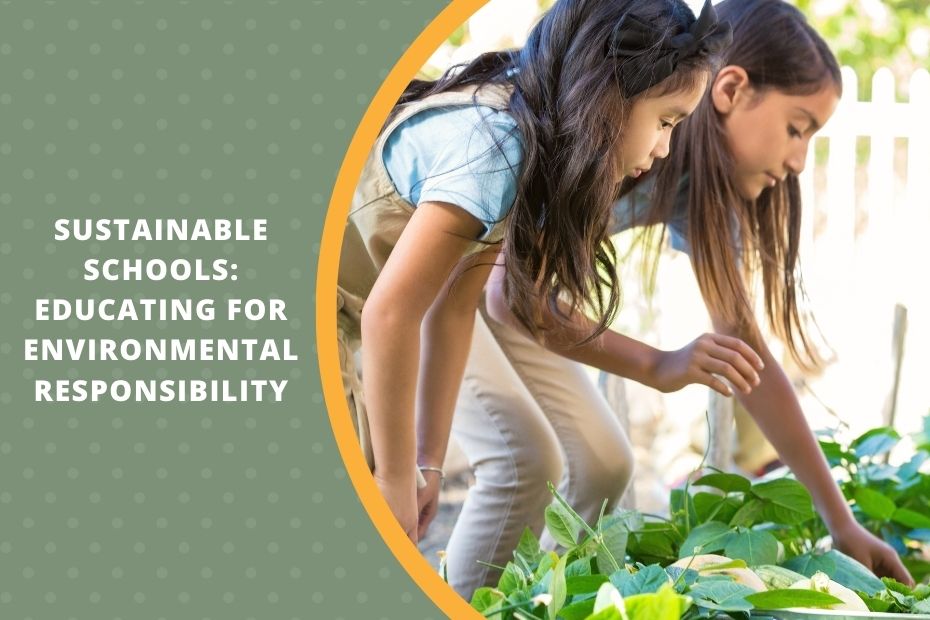
Outdoor learning spaces and school gardens connect students with nature and offer opportunities to learn about environmental stewardship. From planting vegetables to understanding local ecosystems, these hands-on activities help students develop a deeper appreciation for the environment.
Gardens also teach practical lessons in biology, agriculture, and nutrition. Students can observe plant lifecycles, understand the importance of pollinators, and explore sustainable farming practices. These experiences cultivate a sense of responsibility and connection to the natural world.
Encouraging Sustainable Transportation
Transportation contributes significantly to a school’s environmental impact. Encouraging walking, biking, carpooling, or using public transportation reduces emissions and promotes healthier lifestyles. Schools can provide bike racks, organize carpool programs, and advocate for safer walking routes to support these efforts.
Some schools have gone a step further by transitioning to electric buses. These vehicles reduce greenhouse gas emissions and lower operational costs over time. Highlighting these initiatives in the school community raises awareness and encourages broader adoption of sustainable practices.
Engaging the Entire School Community
Sustainability efforts are most successful when the entire school community is involved. Creating eco-committees or green teams composed of students, teachers, and parents helps drive initiatives and ensures a shared commitment to environmental goals.
Hosting events like sustainability fairs, workshops, or cleanup drives can further engage the community. These activities raise awareness and create a sense of unity and purpose. By working together, the school community can amplify its impact and inspire broader environmental responsibility.
Supporting Teachers with Professional Development
For sustainability education to be effective, teachers must feel confident in their ability to integrate these topics into their teaching. Providing professional development opportunities, such as workshops and access to resources, equips educators with the knowledge and tools they need.
Training sessions can cover topics like climate science, renewable energy, and how to incorporate environmental themes into existing lesson plans. Encouraging collaboration among teachers allows them to share ideas and best practices, strengthening the school’s overall approach to sustainability.
Celebrating Achievements in Sustainability
Recognizing and celebrating environmental milestones motivates continued progress. Whether it’s achieving energy reduction goals, increasing recycling rates, or completing a garden project, celebrating these successes fosters pride and encourages ongoing participation.
Schools can highlight achievements through assemblies, newsletters, or social media. Creating awards for students, classes, or staff members who contribute to sustainability efforts also reinforces a culture of environmental responsibility.
Key Strategies for Sustainable Schools
- Teach Environmental Education: Integrate sustainability topics across subjects.
- Reduce Waste: Implement recycling and composting programs.
- Use Renewable Energy: Install solar panels or wind turbines.
- Build Green Campuses: Incorporate energy-efficient and eco-friendly features.
- Encourage Sustainable Transportation: Promote walking, biking, and electric buses.
In Conclusion
Sustainable schools are more than just eco-friendly buildings; they are hubs for education, innovation, and environmental stewardship. By implementing strategies such as reducing waste, adopting renewable energy, and engaging the community, schools can significantly reduce their environmental impact. More importantly, they prepare students to be informed, responsible citizens who are equipped to tackle the environmental challenges of the future. Together, we can create a more sustainable world, one school at a time.
Originally published on WordPress: https://briancjensengiveback.com/sustainable-schools-educating-for-environmental-responsibility/


