·Brian C JensenBrian C JensenLifelong LearningSkills Sharp
Lifelong Learning: Keeping Skills Sharp in an Ever-Changing World
In today’s fast-paced and ever-evolving world, the concept of lifelong learning has never been more relevant. Lifelong learning involves continually developing new skills and knowledge throughout one’s life to stay adaptable and competitive. Whether driven by personal curiosity, professional requirements, or societal changes, the pursuit of lifelong learning helps individuals remain relevant in their careers and contribute meaningfully to their communities. This article explores the importance of lifelong learning, the benefits it offers, and practical strategies for integrating it into daily life.
The Importance of Lifelong Learning
Lifelong learning is essential for adapting to the rapidly changing demands of the modern workplace. As industries evolve and technology advances, the skills that were once valuable may become obsolete. Therefore, the ability to learn and adapt is crucial for career success and personal growth. Lifelong learning fosters a culture of continuous improvement and helps individuals stay ahead of industry trends, ensuring they remain employable and competitive. It also encourages a proactive approach to personal development, allowing individuals to explore new interests and passions that can enrich their lives.
The International Labour Organization (ILO) emphasizes that workers must proactively upgrade their skills or acquire new ones through training and education to remain employable. This proactive approach is not just about maintaining job security but also about thriving in a dynamic job market. Moreover, lifelong learning supports personal fulfillment and cognitive health, helping individuals lead more satisfying lives.
Benefits of Lifelong Learning
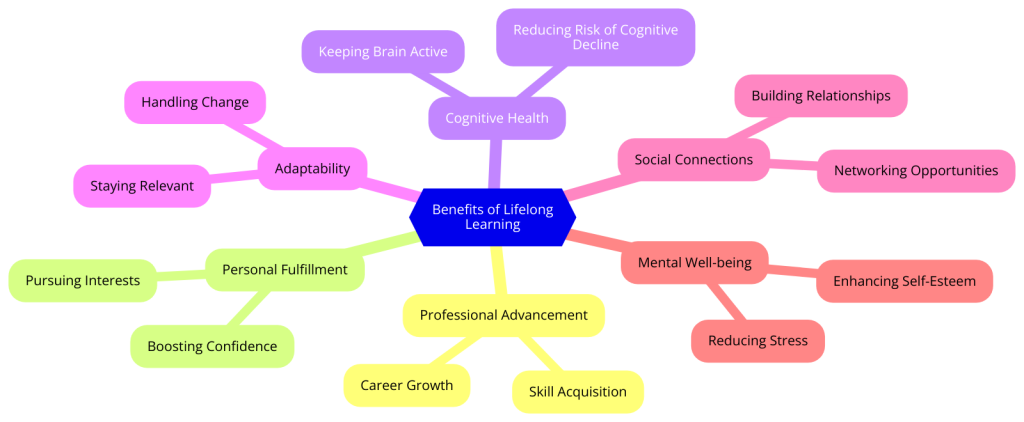
The benefits of lifelong learning extend beyond career advancement. Firstly, it enhances self-confidence by providing individuals with a sense of accomplishment and mastery over new skills. This confidence can positively impact both personal and professional aspects of life. Secondly, lifelong learning promotes cognitive health by keeping the brain active and engaged, which can help prevent cognitive decline as one ages. Thirdly, it fosters personal fulfillment by allowing individuals to pursue their passions and interests, leading to a more balanced and satisfying life. Finally, lifelong learning can improve adaptability, problem-solving abilities, and critical thinking skills, making individuals more resilient in the face of challenges.
UNESCO highlights the power of lifelong learning in contributing to sustainable development goals by enhancing the skills and knowledge of individuals, which in turn benefits societies and economies. By continuously learning, individuals can better understand and engage with global challenges, from technological changes to environmental issues, making lifelong learning a cornerstone of modern education and personal development.
How to Practice Lifelong Learning
Practicing lifelong learning involves a combination of formal and informal educational activities. Here are some effective strategies:
- Set SMART Goals: Establish Specific, Measurable, Achievable, Relevant, and Time-bound goals to structure your learning process. For example, if you want to learn a new language, set a goal to complete a specific number of lessons each week. By setting clear and attainable goals, you can track your progress and stay motivated.
- Pursue Independent Projects: Engage in projects that align with your interests and career goals. This could include writing a blog, developing a new software application, or conducting independent research on a topic of interest. Independent projects allow for practical application of new skills and can be showcased to potential employers as evidence of your abilities and initiative.
- Leverage Online Courses and Resources: Take advantage of the vast array of online courses and resources available. Platforms like Coursera, Udemy, and LinkedIn Learning offer courses on a wide range of subjects, allowing you to learn at your own pace. These platforms often provide certifications upon completion, which can be added to your resume to demonstrate your commitment to continuous learning.
- Join Learning Communities: Participate in book clubs, online forums, and professional groups related to your field of interest. Collaborating with others can provide new perspectives and keep you motivated. For example, joining a coding challenge community can help you stay disciplined and learn new programming skills through peer support and shared challenges.
- Attend Workshops and Seminars: Look for local or virtual workshops and seminars that focus on skills you want to develop. These events can offer hands-on experience and networking opportunities. Attending industry conferences and professional development seminars can also provide valuable insights into the latest trends and best practices in your field.
Overcoming Challenges in Lifelong Learning
While the benefits of lifelong learning are clear, it can also present challenges. One common obstacle is finding the time to dedicate to learning amidst busy schedules. To overcome this, consider integrating learning into your daily routine, such as listening to educational podcasts during commutes or dedicating a few minutes each day to reading. Another challenge is staying motivated, especially when learning independently. Setting clear goals and joining learning communities can provide the necessary support and accountability to stay on track.
Additionally, financial constraints can sometimes hinder access to educational resources. Many online platforms offer free or affordable courses, and scholarships or financial aid options may be available for more structured educational programs. Leveraging free resources like public libraries and open educational resources (OER) can also help overcome this barrier.
The Role of Employers in Lifelong Learning
Employers play a crucial role in fostering a culture of lifelong learning within their organizations. By providing access to training programs, encouraging continuous education, and recognizing the importance of skill development, employers can help their employees stay current and competitive. Investing in lifelong learning initiatives not only benefits employees but also enhances organizational performance by ensuring the workforce is adaptable and equipped to handle new challenges.
Employers can support lifelong learning through initiatives such as tuition reimbursement programs, in-house training sessions, and partnerships with educational institutions. Creating a work environment that values continuous improvement and professional development can lead to higher employee satisfaction and retention.
The Future of Lifelong Learning
The future of lifelong learning is likely to be shaped by advancements in technology and the increasing importance of digital literacy. Artificial intelligence and machine learning are expected to revolutionize education by providing personalized learning experiences and adaptive learning paths tailored to individual needs. Additionally, the rise of microlearning—short, focused learning sessions—will make it easier for individuals to acquire new skills in a flexible and efficient manner. As the demand for new skills continues to grow, lifelong learning will remain a critical component of personal and professional development.
Moreover, the integration of virtual reality (VR) and augmented reality (AR) in educational settings can provide immersive learning experiences, making complex subjects more accessible and engaging. These technologies can simulate real-world scenarios, offering hands-on practice and enhancing the learning process.
In Conclusion
Lifelong learning is essential for navigating the complexities of an ever-changing world. By continually acquiring new skills and knowledge, individuals can remain relevant, adaptable, and competitive in their careers while also enriching their personal lives. Embracing lifelong learning requires setting clear goals, utilizing available resources, and staying motivated through community involvement and personal projects. As technology advances and the nature of work evolves, the importance of lifelong learning will only increase, making it a cornerstone of personal and professional success. In summary, lifelong learning is not just a necessity but an opportunity to continuously grow and achieve personal and professional fulfillment. By adopting a proactive approach to learning and leveraging the vast resources available, anyone can stay ahead in an ever-changing world and enjoy a rich, satisfying life.
Originally published on WordPress: https://briancjensengiveback.com/lifelong-learning-keeping-skills-sharp-in-an-ever-changing-world/


