
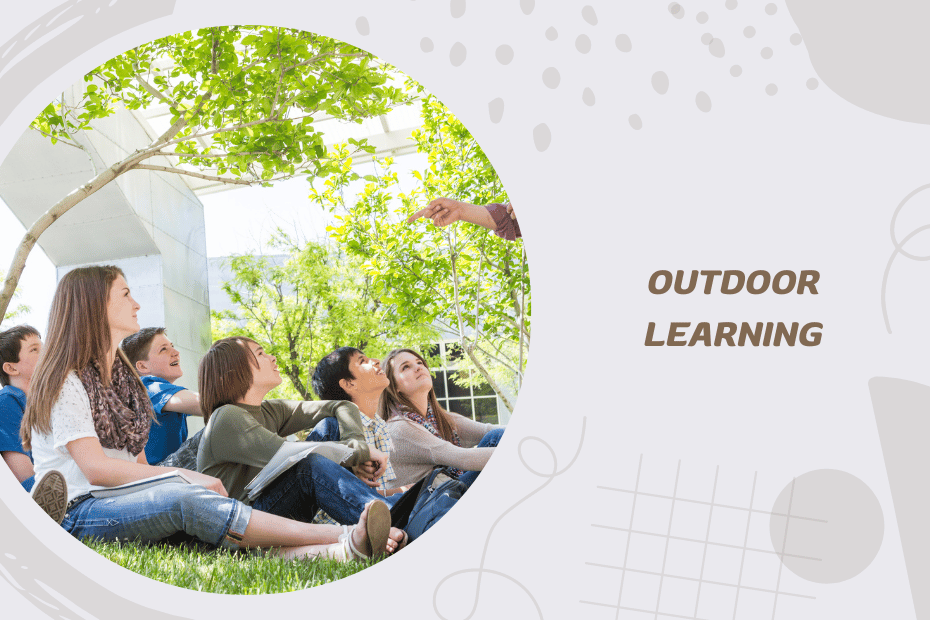
In an era where students are increasingly tethered to screens and confined within the walls of traditional classrooms, the concept of outdoor learning presents a refreshing and highly beneficial alternative. Outdoor learning involves conducting educational activities outside the conventional classroom setting, utilizing the natural environment as a dynamic learning space. This approach not only enriches the learning experience but also offers numerous cognitive, emotional, social, and physical benefits. This article delves into the myriad advantages of outdoor learning, explores its impact on academic performance, and provides practical strategies for educators to effectively implement outdoor education. By the end of this article, you will understand why taking the classroom outside can transform the educational experience and foster a more holistic development for students.
Understanding Outdoor Learning
Outdoor learning encompasses a broad range of educational activities conducted outside the traditional classroom. These can include outdoor classes, nature walks, gardening, environmental projects, and field trips. The core idea is to leverage the natural environment to enhance the learning process, making it more engaging, hands-on, and relevant. Unlike the conventional classroom setup, outdoor learning encourages students to interact directly with their surroundings, fostering a deeper connection to the material being taught and the environment itself. This approach is rooted in experiential learning, where students learn by doing and experiencing, rather than passively receiving information.
Cognitive Benefits of Outdoor Learning
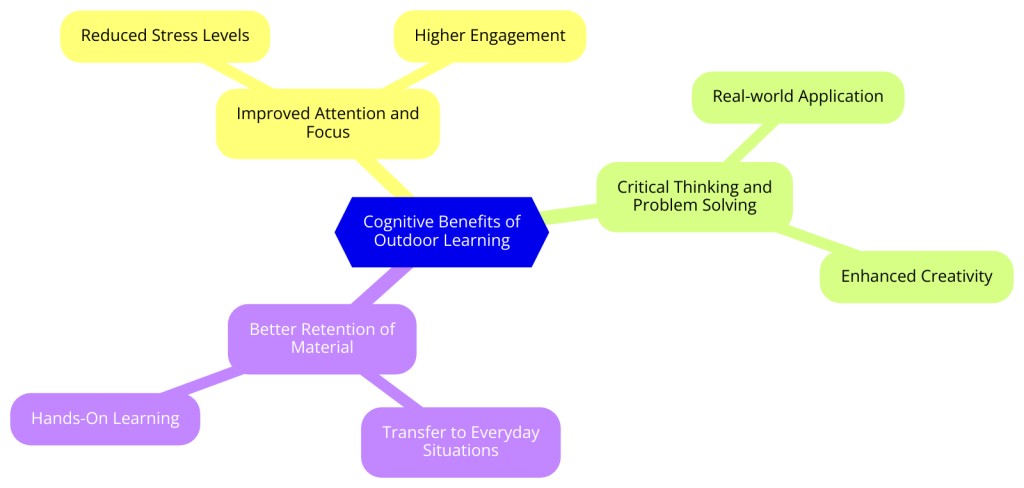
The cognitive benefits of outdoor learning are well-documented. Studies have shown that being in nature helps reduce stress levels and improves attention and focus. For example, research conducted by the University of Illinois found that students who received outdoor lessons were more engaged and attentive during subsequent indoor classes compared to those who had indoor lessons exclusively. This increased engagement is attributed to the restorative effects of nature, which help replenish cognitive resources and reduce mental fatigue.
Moreover, outdoor learning stimulates critical thinking and problem-solving skills. When students are faced with real-world challenges, such as observing natural phenomena or conducting experiments in the field, they develop a deeper understanding of scientific concepts and methodologies. This hands-on approach makes learning more relevant and memorable, enhancing overall cognitive development. Additionally, outdoor learning fosters creativity and imagination as students explore and interact with the natural world.
Academic Performance and Outdoor Learning
The positive impact of outdoor learning on academic performance is significant. Research indicates that students who participate in outdoor educational activities perform better in subjects like science, mathematics, and language arts. The interactive nature of outdoor learning encourages active participation and engagement, which are crucial for effective learning. For instance, the Natural Connections project in the UK found that 92% of teachers observed increased engagement and improved behavior among students who participated in outdoor learning activities.
Furthermore, outdoor learning helps solidify academic concepts by providing practical applications. When students measure the growth of plants in a school garden or study local wildlife, they see the real-world relevance of what they learn in the classroom. These experiences not only enhance understanding but also improve retention and recall of information. By making learning more tangible and connected to real life, outdoor education boosts academic achievement and fosters a love for learning.
Emotional and Social Benefits
Outdoor learning offers profound emotional and social benefits. Spending time in nature has been shown to reduce stress and anxiety, improve mood, and enhance overall well-being. The natural environment provides a calming backdrop that helps students feel more relaxed and focused. According to mental health experts, outdoor learning can boost serotonin levels, leading to feelings of happiness and contentment.
Socially, outdoor learning promotes teamwork and collaboration. Activities such as group projects, nature walks, and environmental conservation efforts require students to work together, fostering communication and cooperation skills. These experiences help build stronger social bonds and teach students the value of teamwork and mutual support. By interacting with peers in a natural setting, students develop social skills that are essential for their personal and academic growth.
Physical Health Benefits
The physical health benefits of outdoor learning are equally compelling. Engaging in outdoor activities encourages physical movement, which is essential for maintaining a healthy lifestyle. Activities like hiking, gardening, and outdoor sports help improve cardiovascular health, build strength, and enhance coordination. Furthermore, exposure to natural light and fresh air has numerous health benefits, including improved immune function and reduced symptoms of conditions like ADHD.
Outdoor learning also helps combat sedentary lifestyles that are increasingly common among children. By incorporating physical activity into the educational experience, schools can promote healthier habits and reduce the risk of obesity and related health issues. The combination of physical activity and learning in nature creates a holistic approach to education that benefits both mind and body.
Environmental Awareness and Stewardship
One of the key advantages of outdoor learning is its ability to instill environmental awareness and stewardship in students. By immersing students in nature, educators can cultivate a sense of responsibility towards the environment and foster a love for the natural world. This hands-on experience with nature can spark a passion for conservation and sustainability, shaping students into environmentally conscious individuals.
Students learn about the importance of protecting natural resources, the impact of human activities on ecosystems, and the need for sustainable practices. These lessons are crucial for developing the next generation of environmental stewards who are committed to making positive changes in their communities and beyond. By experiencing the natural world firsthand, students develop a deeper appreciation for the environment and a desire to protect it.
Practical Strategies for Implementing Outdoor Learning
Implementing outdoor learning requires careful planning and consideration. Here are some practical strategies to help educators integrate outdoor activities into their curriculum:
- Start Small: Begin with short outdoor sessions and gradually increase the duration and complexity of the activities. This allows both students and teachers to adjust to the new learning environment.
- Use Available Resources: Utilize local parks, gardens, and natural areas as learning spaces. Schools can also create outdoor classrooms on their grounds to facilitate regular outdoor lessons.
- Integrate with Curriculum: Align outdoor activities with the existing curriculum to reinforce academic concepts. For example, science lessons can include field studies, while language arts classes can involve nature-inspired writing projects.
- Foster Community Partnerships: Collaborate with local environmental organizations, parks, and nature centers to enhance outdoor learning opportunities and access additional resources and expertise.
- Train Teachers: Provide professional development for teachers to help them feel confident and equipped to conduct outdoor lessons. Training can cover topics like safety, activity planning, and effective teaching strategies for outdoor settings.
- Incorporate Technology Wisely: While the focus should be on reducing screen time, technology can still play a role in outdoor learning. Use digital tools to document observations, conduct research, and connect with other classrooms around the world.
In Conclusion
Outdoor learning offers a wealth of benefits that extend beyond the classroom. It enhances cognitive function, boosts academic performance, promotes emotional and social well-being, and encourages physical health. Additionally, outdoor learning fosters environmental awareness and stewardship, preparing students to become responsible global citizens. By integrating outdoor activities into the curriculum, educators can create a dynamic and engaging learning environment that supports holistic development. As we continue to explore innovative educational approaches, taking the classroom outside remains a powerful strategy for enriching students’ educational experiences and overall well-being. Embracing outdoor learning not only enriches the educational journey but also equips students with the skills and mindset needed to navigate a complex and ever-changing world.

Brian C Jensen is the CEO of Legacy Global Consulting, Inc., a management consulting firm. With 10+ years of experience, he advises organizations on digital transformation, risk management, and growth strategy—helping clients anticipate market shifts and scale sustainably.